So, you're thinking about putting in a new patio, maybe a walkway, or even a driveway right here in Waldorf. That's a solid investment, really, and concrete's usually the go-to for something that lasts. But then you start looking around, and wow, there are options. The big question I hear a lot is this: should I just stick with standard poured concrete, or is stamped concrete actually worth the extra trouble and expense?
It's a fair question, and honestly, there's no single right answer for everyone. What works best for you really depends on your budget, the look you're trying to get for your home, and how much upkeep you're willing to do down the road. Let's just break it all down, no fancy words, just what I've learned working with concrete all over Southern Maryland for years.
The Classic: Standard Poured Concrete
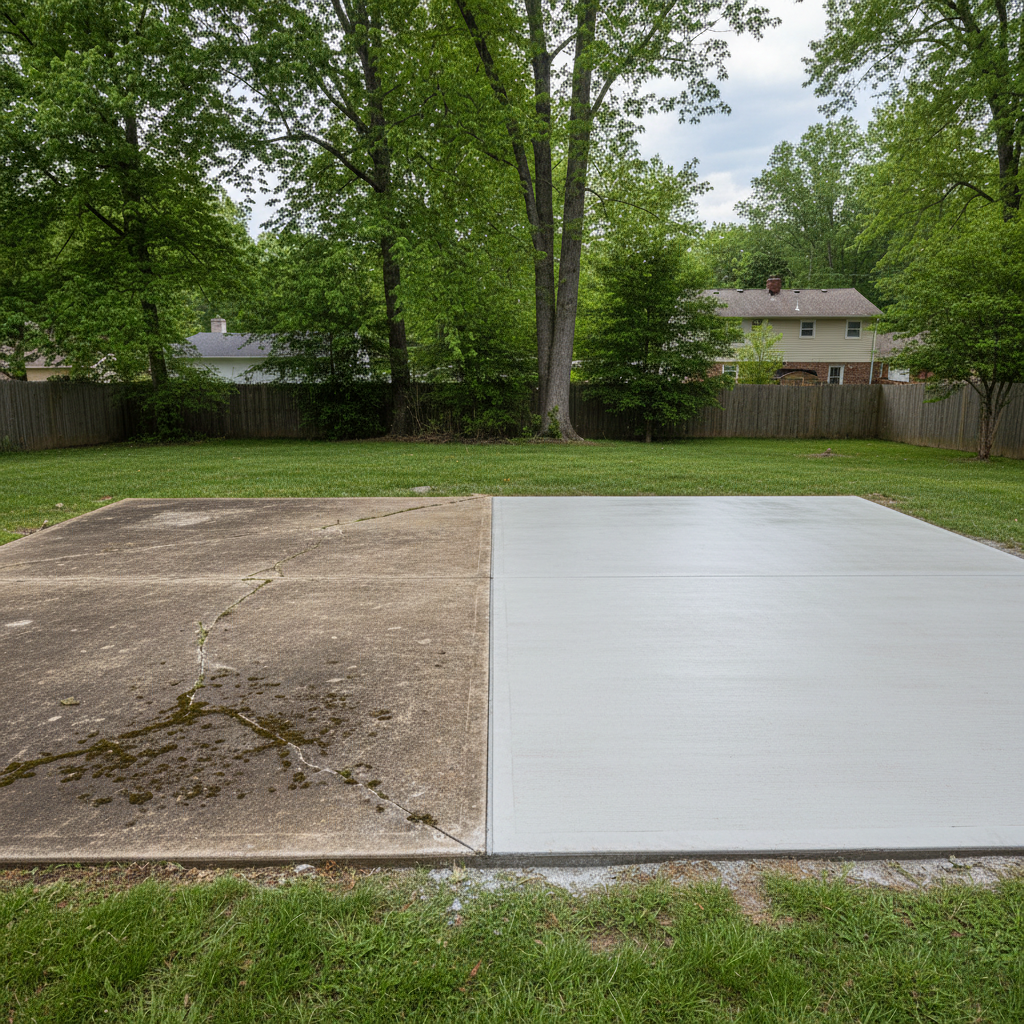
When I talk about standard poured concrete, we're talking about your basic, solid gray slab. It's what you see most often for driveways, garage floors, and those utility pads. It's functional, it's strong, and it gets the job done without a lot of fuss.
Cost
This is usually the most budget-friendly option, hands down. You're paying for the materials, plus the labor to get the ground ready, pour it, and then finish it. There aren't many extra steps or specialized tools involved, which naturally keeps the price lower. If you're looking to cover a big area, like a long driveway on some of those older, larger lots around St. Charles, standard poured concrete will definitely give you the most bang for your buck.
Durability & Maintenance
Poured concrete is tough stuff. Really tough, actually. When it's mixed right, poured correctly, and cured properly, it can easily last for decades. Here in Waldorf, with our freeze-thaw cycles every winter, it holds up pretty well, especially if it's got the right rebar or wire mesh inside. As for maintenance, it's pretty low-key. You'll want to clean it now and then, maybe power wash it once a year to get rid of dirt and mildew. Sealing it every few years is a good idea to protect it from stains and make it last longer, but it's not as absolutely critical as it is with stamped concrete.
Appearance
Let's be honest, standard gray concrete isn't winning any beauty contests by itself. It's practical, sure. You can make it look a bit better with a broom finish for texture, or by adding control joints in a neat pattern. Some folks even add color right into the mix, which gives it a more uniform, subtle shade. But if you're aiming for a real 'wow' factor, this usually isn't it.
The Showstopper: Stamped Concrete
Stamped concrete is where you really start getting into the decorative stuff. We pour a concrete slab, just like the standard kind, but then, before it fully hardens, we press patterns into it using large rubber mats. These patterns can mimic brick, stone, wood, or even slate. After that, we often add color, either mixed right in or applied to the surface, sometimes with a secondary 'release' color to give it depth and really make the texture pop.
Cost
Expect to pay more for stamped concrete. A good bit more, in fact. The process takes more labor and needs specialized tools and expertise. You're paying for the artistic element, the extra materials for coloring and texturing, and the skill it takes to make it look convincing. It's an investment in your home's curb appeal, so you'll need to weigh that against your budget.
Durability & Maintenance
The base concrete itself is just as durable as standard poured concrete. The real difference comes in the surface. Because it's textured and colored, stamped concrete needs a bit more care. It absolutely has to be sealed regularly, usually every 2-3 years, to protect the color and the surface from fading, wear, and our local weather. If you skip sealing it, the color can fade, and those intricate patterns might start looking dull. Cleaning is similar to standard concrete, but you might need to pay closer attention to the grooves and textures to keep them free of debris.
Appearance
This is where stamped concrete really shines. You can get some truly stunning looks. Imagine a patio that looks like natural flagstone, but without all the weeds growing between the cracks, or a driveway that mimics cobblestone. It adds a ton of character and can really elevate your home's aesthetic. The options for patterns and colors are huge, letting you create a custom look that perfectly complements your house's style.
My Recommendation for Waldorf Homeowners
Alright, so what's the final word for folks around here? If your main goal is a solid, long-lasting surface that's easy on the wallet and doesn't demand much fuss, go with standard poured concrete. It's reliable, it's strong, and it will serve you well for decades. For utility areas, side paths, or even a basic driveway, it's the smart, practical choice.
However, if you're looking to make a statement, really boost your home's curb appeal, and you're ready for the higher upfront cost and a bit more regular maintenance, then stamped concrete is definitely worth thinking about. It can transform an outdoor space into something truly special. Just make sure you're committed to that sealing schedule to keep it looking its best. I've seen some absolutely beautiful stamped patios in neighborhoods like Pinefield that truly make a home stand out.
No matter which you pick, proper installation is key. That's where a reputable contractor like Oasis Concrete comes in. We make sure the ground is prepped right, the mix is correct, and the finish is top-notch, so your concrete lasts — whether it's plain gray or a work of art.