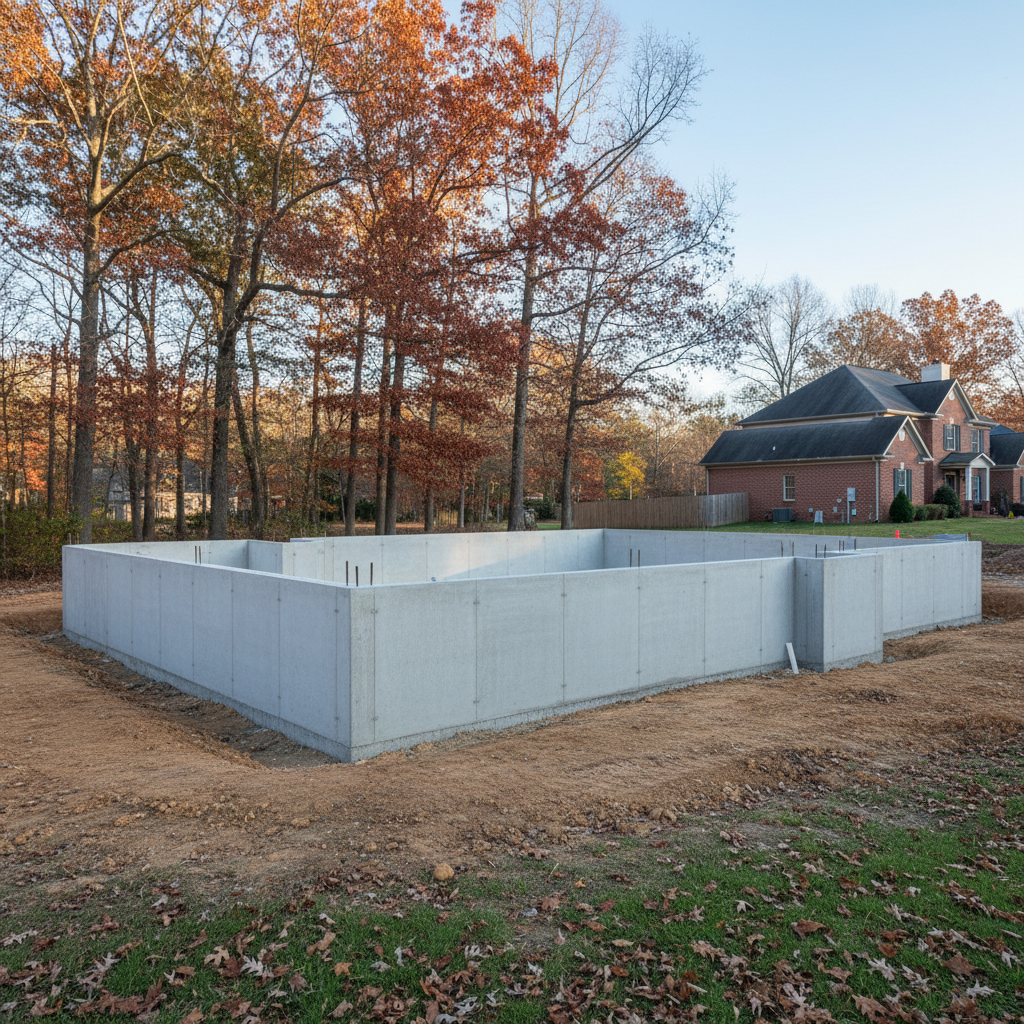
When's the Best Time for Concrete Work in Waldorf?
You're probably thinking, "Just get it done when I need it done, right?" Well, yeah, but if you've got some flexibility, timing can make a real difference for concrete work, especially foundations, here in Waldorf. I've been doing this for years, and I've seen firsthand how our weather plays a role.
Generally, I tell folks that spring and fall are your sweet spots. Why? Because concrete needs time to cure properly, and extreme temperatures, hot or cold, can mess with that process. In spring, after the last frost usually around late March or early April, the ground starts to warm up, but you don't have that scorching summer sun beating down on fresh concrete. That allows for a nice, steady cure. Same goes for fall – after the summer heat breaks, but before the really cold nights set in, usually late September through October. The moderate temperatures are ideal.
Summer can work, but we have to be more careful. Those 90-degree days we get in July and August? They can cause the water in the concrete mix to evaporate too quickly, leading to cracking or a weaker surface. We'll take extra steps like misting or using curing compounds, but it's just more of a challenge. Winter? Forget about it for new pours, especially foundations. Concrete needs to be kept above freezing for at least a few days, preferably longer, to cure correctly. Trying to pour a foundation when it's regularly dipping below freezing at night is just asking for trouble down the line. You'll end up with weak spots, and nobody wants that.
What Our Waldorf Weather Does to Your Foundation
Our climate here in Southern Maryland, with its hot, humid summers and cold, wet winters, is a real workout for concrete. It's not just about the temperature when it's poured; it's about what happens to it year after year. The freeze-thaw cycles we get are probably the biggest enemy. Water seeps into tiny cracks in your concrete, then freezes and expands, making those cracks bigger. Thaws, then freezes again, and it's a never-ending cycle of expansion and contraction. This is especially true for older homes in areas like St. Charles, where some of the original foundations might not have had the same quality of concrete or rebar as today's standards.
Then there's the moisture. We get a good amount of rain here, and if your drainage isn't set up right, water can sit around your foundation. That constant dampness can lead to issues over time, like efflorescence (those white powdery stains) or even contribute to structural problems if the soil around your foundation is constantly saturated and expanding or contracting. Good drainage around your home isn't just for your basement; it's critical for your foundation's health.
Protecting Your Concrete Investment Year-Round
So, what can you do to keep your foundation strong and avoid costly repairs down the road? A lot, actually, and it's mostly about common sense and regular check-ups.
- Keep an Eye Out: Walk around your house a few times a year. Look for new cracks, especially ones that are wider than a credit card or that run horizontally. Check for bowing walls in your basement or crawl space. Catching small problems early saves you big headaches later.
- Manage Your Water: This is huge. Make sure your gutters are clean and draining away from your foundation. Extend your downspouts at least five to ten feet away from the house. The ground around your foundation should slope away from it, not towards it. If you've got puddles forming near your house after rain, you've got a problem that needs fixing.
- Seal and Protect: For existing concrete, especially if it's exposed, consider applying a good quality penetrating sealer. This helps repel water and protects against those freeze-thaw cycles. It's not a one-and-done thing; you'll need to reapply every few years, but it's worth the effort.
- Mind Your Landscaping: Those beautiful trees and shrubs close to your house? Their roots can sometimes cause issues. Large tree roots can put pressure on foundations or, conversely, suck moisture out of the soil, causing it to shrink and settle unevenly. Keep an eye on plant growth near your home.
- Don't Ignore Small Cracks: A hairline crack might seem minor, but it's an entry point for water. Get them sealed. For anything more serious, don't hesitate to call in a pro. We at Oasis Concrete can assess what's going on and give you an honest opinion on whether it's a DIY fix or something that needs our expertise.
Taking care of your foundation isn't glamorous, but it's probably the most important maintenance you can do for your home. A little vigilance now can save you a ton of money and stress later. Trust me on this one.